

High-density polyethylene (HDPE) is one of the most commonly used materials in plastic manufacturing. This specific grade of polymer helps make it possible to continue to expand boundaries in plastic products.
Port Erie Plastics walks through some of the most common applications of HDPE in plastic manufacturing, highlighting where using this material makes the most sense.
Understanding Why HDPE is Applicable for Widespread Usage
Before understanding the best applications of HDPE, it’s critical to understand why this material is so prevalent in plastic manufacturing. Below are some of the top reasons why HDPE is used in millions of plastic products every year.
- HDPE boasts an incredible strength-to-weight ratio in comparison to other polymer materials, offering great structural strength and integrity, while remaining lightweight.
- HDPE is naturally chemical resistant and can fend off contaminants from numerous sources, including acids, bases, alcohols, detergents, and solvents. This is why HDPE is used in many piping and tubing applications.
- HDPE is also a good material for impact and abrasion resistance, particularly at low temperatures.
- Along with all of these benefits, HDPE is easy to work with, which is why it is used in multiple plastic manufacturing applications.
Applications of HDPE by Manufacturing Style
HDPE is used throughout numerous plastic manufacturing styles largely because it is an easy material to work with, but that also means it has to endure different manufacturing processes without losing its product integrity.
Highlighting key manufacturing services where HDPE can be used to make products can best demonstrate the material’s widespread applications.
Plastic Extrusion
- HDPE in extrusion is most commonly used to create pressure pipes and varying types of conduit. Specific products include gas and water piping, telecom ducts, and industrial fluid lines. These products all take advantage of the benefits of HDPE, particularly chemical resistance and strength-to-weight ratio.
- It can also be used to create products like wear panels, marine boards, playground surfaces, cutting boards, food packaging bags, and shopping bags.
- Extrusion manufacturers rely on HDPE because of how easy the material is to work with, and consumers of extruded HDPE products rely on the cost-effectiveness of both the material and the manufacturing method.
Injection Molding
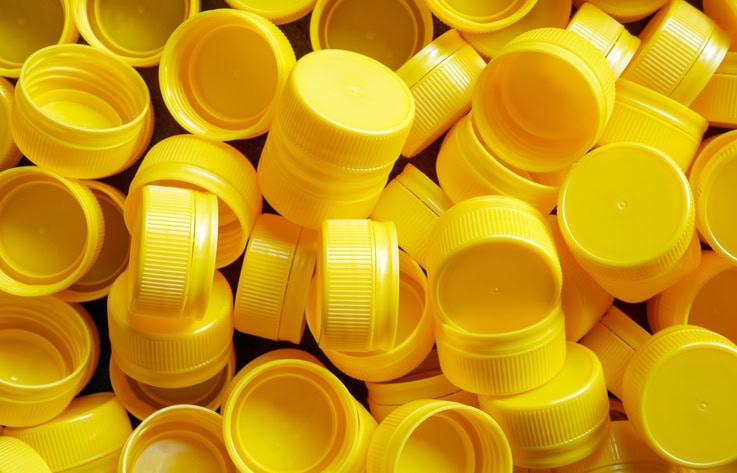
- Applications of HDPE in injection molding primarily feature the manufacturing of caps, closures, and small parts. This can include bottle caps, food containers, crates, trays, bins, and non-load-bearing housings for electronic components.
- HDPE can also be used for the creation of functional products, including turnover boxes, dustbins, and general purpose industrial parts.
Structural Foam Molding
- HDPE is also extensively used in the creation of structural foam molded components. These can range from pallets and crates to large, load-bearing products.
How to Validate When HDPE Usage Makes Sense
While HDPE is a common selection for manufacturers and their customers around the globe, there are a couple of considerations to make ahead of production to ensure that the material is appropriate for your product and its intended application.
- If your part can naturally be opaque and mildly flexible
- If your product will be exposed to harsh chemicals, detergents, or outdoor conditions
- If impact resistance is more important than being able to withstand high temperatures
Learn More About the Applications of HDPE and Partner With Port Erie Plastics Today
Port Erie Plastics works with HDPE every day in our Harborcreek, Pennsylvania, facilities. As a full-service plastic manufacturer with extrusion, injection molding, and structural foam molding capabilities all under one roof, our team are experts in knowing if HDPE is right for your product.
Contact our team today for further questions and to see if your project is the right fit for HDPE.